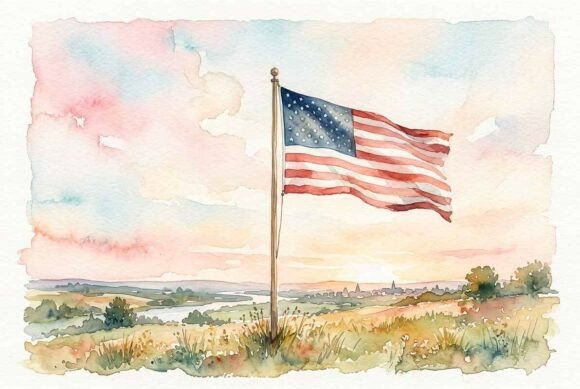
Flag Day: A Symbol of National Identity and Unity in the United States
The American flag is more than just a piece of fabric with stars and stripes—it is a powerful symbol of freedom, resilience, and national pride. While many Americans celebrate the Fourth of July as the nation's most iconic patriotic holiday, Flag Day offers a unique opportunity to reflect on the historical significance and enduring legacy of the flag itself. Celebrated on June 14th each year, Flag Day honors the adoption of the Stars and Stripes by the Continental Congress in 1777. This day serves as a reminder of the values that define the United States and the unity that binds its people together.
The Origins and Evolution of the American Flag
The history of the American flag dates back to the early days of the nation’s formation. The first official flag of the United States was adopted on June 14, 1777, and consisted of 13 alternating red and white stripes representing the original 13 colonies, along with a blue canton containing 13 white stars symbolizing the states. This design, known as the "Betsy Ross" flag, has evolved over time as new states joined the union. Each addition of a star reflects the expansion of the nation and the growing diversity of its population.
Throughout the centuries, the flag has played a central role in American culture and identity. It has been raised during times of war, peace, and celebration, serving as a unifying emblem for citizens across the country. From the Revolutionary War to World War II, the flag has stood as a symbol of courage, sacrifice, and perseverance. Today, it remains one of the most recognizable symbols of the United States, appearing in everything from government buildings to private homes and public spaces.
Flag Day: A Day of Reflection and Celebration
While the Fourth of July is often associated with fireworks, parades, and barbecues, Flag Day provides a more solemn and reflective occasion. On this day, Americans are encouraged to display the flag proudly, participate in educational events, and honor the sacrifices of those who have served their country. Schools, community centers, and local organizations often host ceremonies or activities that highlight the flag's historical and cultural importance.
One of the key aspects of Flag Day is its emphasis on education. Many schools use this day to teach students about the history of the flag, its symbolism, and its role in American society. By understanding the meaning behind the colors and stars, individuals can develop a deeper appreciation for the values that the flag represents. This educational focus helps ensure that future generations continue to recognize and respect the flag as a vital part of national heritage.
In addition to formal events, many individuals take the opportunity to show their patriotism in personal ways. Some people choose to fly the flag at home, while others may attend local parades or participate in community service projects. These actions not only demonstrate respect for the flag but also reinforce the sense of unity and shared purpose that defines the American spirit.
The Role of the Flag in Modern American Society
Today, the American flag continues to play a significant role in both national and international contexts. It is used as a symbol of American values in diplomacy, commerce, and media. The flag appears on everything from military uniforms to corporate logos, reinforcing the idea that the United States is a global leader in various fields. Its presence in international events, such as the Olympics or diplomatic summits, further underscores its status as a universal emblem of freedom and democracy.
However, the flag is not without controversy. In recent years, debates have arisen regarding its use in political protests and its association with certain ideologies. While some view the flag as a symbol of national unity, others argue that it should remain neutral and free from political interpretation. These discussions highlight the complex relationship between the flag and contemporary American society, where its meaning can be interpreted in multiple ways depending on context and perspective.
Despite these challenges, the flag remains an enduring symbol of American identity. It continues to inspire pride and patriotism among citizens, serving as a reminder of the nation's founding principles and the sacrifices made to uphold them. Whether displayed in a classroom, on a battlefield, or in a home, the American flag stands as a testament to the resilience and determination of the American people.
Flag Day and the Fourth of July: Complementary Patriotic Observances
While Flag Day and the Fourth of July are distinct holidays, they share a common goal: to celebrate the values and history of the United States. The Fourth of July commemorates the signing of the Declaration of Independence in 1776, marking the birth of a new nation. In contrast, Flag Day focuses on the adoption of the national flag, which became a symbol of the young nation's identity and aspirations.
These two holidays complement each other in the broader narrative of American patriotism. The Fourth of July is often seen as the most widely celebrated patriotic holiday, with large-scale events and festivities across the country. Flag Day, on the other hand, offers a more introspective and educational approach to celebrating national identity. Together, they provide a comprehensive way for Americans to honor their history, values, and collective achievements.
For those interested in exploring the intersection of these two holidays, there are numerous opportunities to engage with both traditions. Some communities may hold joint events that combine elements of both Flag Day and the Fourth of July, offering a unique blend of celebration and reflection. These events can include educational programs, flag-raising ceremonies, and patriotic performances that bring together people of all ages and backgrounds.
Practical Applications and Real-World Relevance
The relevance of Flag Day extends beyond historical and symbolic significance. In practical terms, the flag plays a crucial role in various aspects of American life, including law enforcement, military operations, and national security. Law enforcement agencies often use the flag as a symbol of authority and protection, while the military relies on it as a representation of duty and service. Additionally, the flag is used in international relations to convey messages of peace, cooperation, and mutual respect.
From a commercial perspective, the flag is also a powerful marketing tool. Businesses often incorporate the flag into their branding strategies to align themselves with American values and appeal to a patriotic audience. However, it is important to use the flag responsibly and with respect, as its misuse can lead to controversy and negative perceptions.
For educators and researchers, Flag Day presents an excellent opportunity to explore the intersection of history, politics, and culture. Studying the flag's evolution and its impact on American society can provide valuable insights into the nation's development and the factors that have shaped its identity over time. This interdisciplinary approach encourages critical thinking and fosters a deeper understanding of the complex forces that influence national symbolism.
Conclusion: Honoring the Legacy of the American Flag
As we continue to navigate an ever-changing world, the American flag remains a constant reminder of the values that unite us as a nation. Flag Day offers a meaningful opportunity to reflect on the history, symbolism, and significance of this iconic emblem. Whether through education, celebration, or quiet reverence, honoring the flag is a way to connect with the past and reaffirm our commitment to the ideals that define the United States.
By recognizing the importance of Flag Day alongside the Fourth of July, we can cultivate a more comprehensive understanding of what it means to be American. The flag is not just a piece of fabric—it is a living symbol of our shared heritage, resilience, and hope. As we move forward, let us continue to cherish and protect this powerful emblem, ensuring that its message of unity and freedom endures for generations to come.