Woodworking Hand Plane Tool: A Must-Have for Precision and Craftsmanship
The woodworking hand plane tool is more than just a basic tool in the woodworker's arsenal—it's an essential instrument that can transform raw timber into smooth, refined surfaces. Whether you're a seasoned craftsman or a beginner exploring the world of woodworking, understanding how to use and maintain your hand plane is crucial to achieving professional results. With its simple yet effective design, the hand plane allows for fine-tuning, shaping, and finishing wood with unmatched precision.
Why the Woodworking Hand Plane Tool is Indispensable
At its core, the woodworking hand plane tool is designed to remove small amounts of wood from the surface, creating a flat, even finish. Unlike power tools, which can be overwhelming for beginners, the hand plane offers a level of control and finesse that is difficult to replicate. This makes it ideal for tasks such as smoothing wood, shaping edges, and preparing surfaces for joinery or finishing.
One of the key advantages of using a hand plane is its versatility. Depending on the type—such as a block plane, jointer plane, or shoulder plane—the tool can be adapted to various projects. For example, a block plane is perfect for trimming and shaping small pieces, while a jointer plane is used for flattening long boards. This adaptability ensures that the woodworking hand plane tool remains a valuable asset in any workshop.
Key Features of a Quality Woodworking Hand Plane Tool
When selecting a woodworking hand plane tool, several factors should be considered to ensure it meets your needs. First and foremost, the blade must be high-quality and properly sharpened. A dull blade not only affects the quality of your work but also increases the risk of accidents. The blade is typically made of high-carbon steel, which provides durability and maintains a sharp edge for longer periods.
Another important feature is the plane’s iron body. A well-crafted iron body ensures that the plane remains sturdy and durable, even after prolonged use. Additionally, the adjustment mechanism plays a vital role in the tool’s performance. A smooth, precise adjustment system allows for fine-tuning of the blade’s depth, ensuring consistent results every time.
Lastly, the handle and grip are often overlooked but are essential for comfort and control. A well-designed handle reduces fatigue during extended use and improves overall handling. Look for planes with ergonomic designs that fit comfortably in your hand, allowing for better control and reduced strain.
How the Woodworking Hand Plane Tool Fits Into Modern Workflows
While many woodworkers have turned to power tools for efficiency, the woodworking hand plane tool still holds a special place in modern workshops. Its ability to provide a natural, tactile experience is unmatched by electric tools. For instance, when working on intricate joinery or restoring antique furniture, the hand plane allows for greater precision and control without the need for electricity.
Moreover, the woodworking hand plane tool is particularly useful in situations where power tools may not be practical. In remote locations or during outdoor projects, having a reliable hand plane means you’re never without the ability to shape and refine wood. It’s also an excellent choice for those who prefer a more traditional approach to woodworking, emphasizing craftsmanship over speed.
Designing and Customizing Your Own Woodworking Hand Plane Tool
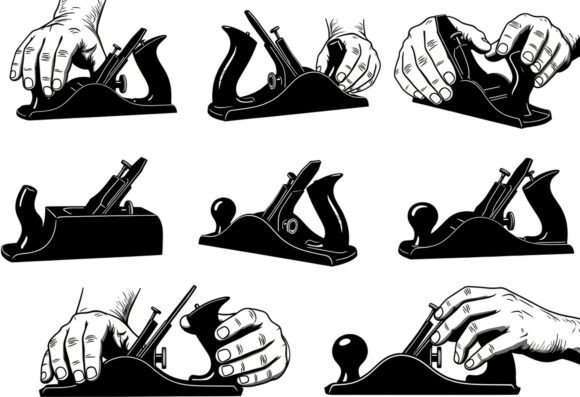
For those interested in personalizing their tools, designing and customizing a woodworking hand plane tool can be both a creative and rewarding endeavor. With the availability of digital cut files, crafting a unique plane has become more accessible than ever. These files, available in formats like SVG and EPS, allow for precise and clean cuts, making them ideal for use with cutting machines such as Cricut, Silhouette Studio Designer Edition, and ScanNCut.
Using a professionally designed digital cut file, you can create a customized plane that reflects your personal style or specific project requirements. The high-quality vector artwork ensures that the design remains crisp and clear, even when resized. This makes it easy to adjust the dimensions to fit your needs without compromising on detail or precision.
In addition to the SVG and EPS files, these digital cut files are fully scalable and editable, giving you the flexibility to modify the design before cutting. Whether you're a hobbyist looking to create a one-of-a-kind plane or a professional seeking to streamline your workflow, these files offer a convenient and efficient solution.
Practical Benefits of Using Digital Cut Files for Woodworking Tools
One of the greatest advantages of using digital cut files for crafting a woodworking hand plane tool is the ease of use they provide. Unlike traditional methods, which require manual cutting and shaping, digital cut files allow for instant downloads and direct use with cutting machines. This eliminates the need for complex setups or extensive preparation, saving time and effort.
Furthermore, the ability to resize the design without losing quality is a significant benefit. Whether you need a larger or smaller plane, the scalability of the file ensures that the final product maintains its integrity. This is especially useful for those who may not have access to specialized equipment or who prefer a more flexible approach to customization.
Additionally, the clean cut lines provided by these digital files result in smoother, more precise cuts. This not only enhances the appearance of the finished product but also ensures that the plane functions correctly and efficiently. The precision of the cuts contributes to the overall quality and performance of the woodworking hand plane tool.
Choosing the Right Format for Your Project
When selecting a digital cut file for your woodworking hand plane tool, it’s important to consider the format that best suits your needs. SVG files are ideal for use with Cricut and other cutting machines that support vector graphics, offering a high level of detail and accuracy. On the other hand, EPS files are compatible with Adobe Illustrator and CorelDRAW, making them suitable for those who prefer to edit the design further before cutting.
If you're new to digital cutting, starting with an SVG file is a great option. These files are generally easier to work with and require less technical expertise. However, if you plan on making modifications or want more control over the design, an EPS file provides greater flexibility. Regardless of the format you choose, both options ensure a clean, professional result that meets the demands of your project.
By incorporating digital cut files into your workflow, you can enhance your creativity and efficiency when crafting a woodworking hand plane tool. Whether you're a DIY enthusiast or a professional woodworker, these files offer a convenient and innovative way to bring your crafting visions to life. With the right tools and techniques, you can create a custom plane that reflects your unique style and meets your specific needs.